Alright, let’s cut to the chase—if you’re reading this, you probably just dropped a chunk of cash on a Type Strainer (or a whole batch, for that matter) from us, and now you’re staring at a giant metal basket with tiny holes wondering, “Wait, how the heck do I not ruin this before I need it?” Type Strainer
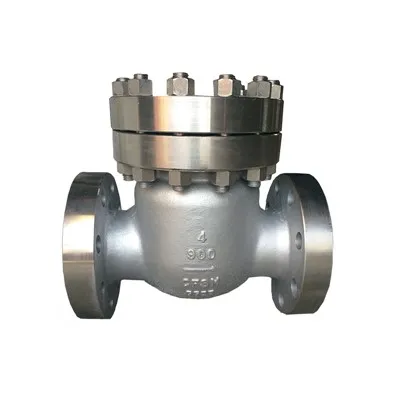
Trust me, we’ve seen it all. Strainers left in a rain-soaked loading dock, stacked haphazardly with sharp tools that tore the mesh, even one that got dropped in a puddle of oil and sat there for three months “for later.” The worst part? A Type Strainer that’s stored wrong doesn’t just look beat up—it stops working when you pull it out for your next line flush. Clogged mesh, rusted flanges, even bent baskets that throw off flow rates. And since you’re already working with precision fluid systems (I’m assuming, ‘cause that’s who buys Type Strainers), messing one up off the bat is the last thing you need.
We’ve been supplying these things long enough to know this isn’t rocket science, but it isn’t just “stick it in a corner either.” Let’s break this down like we’re chatting over a coffee (okay, maybe a work van coffee, since we’re both in the industry) and skip the boring, overly technical jargon. No “ISO 9001 storage protocols” garbage—just stuff that works, tested by our own guys who deliver these strainers 6 days a week.
First things first: sort ‘em before you tuck ‘em away. That Type Strainer you ordered for your water treatment line? Don’t stick it next to the one you grabbed for the oil refinery last quarter. Why? Because different fluids leave residue that’s not obvious. A strainer that filtered light hydraulic fluid might be fine next to a brand new stainless steel one, but if that one was used for caustic chemicals? Residue can leach, corrode, or even contaminate a brand new mesh. We see this all the time: a customer stores a used cast iron strainer next to a new carbon steel one, and a week later, the new one has tiny rust spots ‘cause of cross-contamination. So take 10 minutes to separate: unused vs. used, metal type (stainless vs. carbon vs. cast iron), and even size (you don’t want a 12-inch strainer tipping over a 4-inch one in storage).
Next, the big question: where do you put these things? Not in the yard. Seriously. Even if it’s a covered yard (which is better than open, but still bad), the temperature swings, wind-blown dirt, and morning dew will wreck your strainer faster than forgetting to change your truck’s oil. We’ve had a customer swear his “covered storage” was fine… until he pulled a strainer out and the mesh was half-clogged with pine needles and spider webs. If you have a dry, climate-controlled warehouse—perfect. If not, at least get a dedicated indoor spot, off the floor, away from any chemical drums or construction debris. And if you have to use outdoor storage? Invest in a heavy-duty waterproof cover (not the flimsy tarp from the hardware store—those tear in a month) and prop the strainer up on cinder blocks, not directly on wet ground. That’s non-negotiable.
Now, how to stack ‘em. Stacking is where most people mess up. Type Strainers have that open basket part, right? If you stack them wrong, that mesh will get crushed or bent. The golden rule here: always stack strainers vertically, not horizontally. Wait, let me clarify—when we say vertical, we mean standing the body up, flange ends down on a pallet or crate, not balancing them on their side like a pizza box. If you stack them horizontal, the weight of the strainer on top will push down on the mesh, warp it, and make it impossible to install properly. We once had a customer send back a strainer ‘cause “it wouldn’t fit the pipe”… turns out they’d stacked 5 horizontal, and the mesh basket was bent so bad it was ¼ inch too short. Don’t do that. Now, if you have a bunch of the same size, you can nest them (still vertical) with the basket of one fitting inside the flange of the next—super space-efficient. Just make sure they’re the exact same size, ‘cause if one’s a little smaller, it’ll get stuck and you’ll have to pry it apart, which can bend the mesh.
What about the parts you don’t see? The gaskets, bolts, flange covers—those tiny things that go missing faster than a screwdriver at a job site. Oh, and if your strainer is the kind that has a removable basket, don’t leave that inside the body when storing. Pull it out, clean it (more on that in a sec), and store it separately. If you leave the basket in, any residual moisture will get trapped between the mesh and the strainer body, leading to rust. And those gaskets? They’re made of rubber or Teflon, so they’ll dry out, crack, or get crushed if you just leave them on the flanges. Pop ‘em off, wrap them in a paper towel (no plastic—traps moisture) and stick them in a labeled plastic bag. Same with bolts and nuts—lose one bolt, and you can’t install the strainer when you need it. A little labeled bag goes a long way here.
Cleaning before storage—this is make-or-break, especially if it’s a used strainer, but even new ones sometimes have manufacturing grime. If you’re storing a used strainer, you can’t just hose it down quick and call it good. You need to remove all residue from the fluid it filtered. For example, if it filtered food-grade oil, a good rinse with warm water and mild dish soap will work. If it filtered something more corrosive, like fertilizer or caustic chemicals, you need a dedicated neutralizing rinse—whatever’s safe for the material of your strainer. And make sure it’s completely dry before you put it away. Even a tiny spot of dampness is enough to start rust on carbon steel in just a couple weeks. We had a recent customer who stored a used strainer after a quick rinse, and when he pulled it out, it had a rust hole in the bottom—‘cause he didn’t let it dry for 48 hours. Brand new strainers? Most come with a little factory oil or preservative, so a quick wipe down with a dry rag is enough. Don’t use degreasers on new ones unless the specs say to—you’ll strip that protective coating.
What about special cases? Let’s talk stainless steel. Everyone thinks stainless is bulletproof, but it’s not. If you store a stainless Type Strainer near carbon steel, the carbon steel can leach iron particles onto the stainless, leading to surface rust (called “red rust”) that’s a pain to get off. So keep stainless separate, and if you have a used stainless strainer, make sure all residue from its previous job is gone—even a tiny bit of salt water can cause pitting. Then there’s cast iron. Cast iron is great for heavy loads, but it rusts super easy. You have to coat it with a light layer of oil (like motor oil, not cooking oil—cooking oil goes rancid) before storing it, even for a short time. And don’t stack cast iron with anything sharp, like angle iron or pipe fittings, ‘cause the rough edges will scratch the protective coating.
Oh, and labeling—duh. How many times have you pulled something from storage and had no clue what it’s for? We’ve had customers call us going, “I have three strainers here—what size is the 8-inch one?” Don’t be that guy. Label each strainer with a permanent marker (or a metal tag if it’s going to be outside for a while) with the size, material, and what it filtered. Even if you’re storing them in the same batch, a little label takes 2 seconds and saves hours of digging later.
Let’s run through a quick do’s and don’ts to wrap this up, ‘cause I know you’re busy. Do: sort by material and used status, store indoors/dry spot off the floor, stack vertically, remove baskets/gaskets/bolts, clean and dry completely, label everything. Don’t: stack horizontally, leave damp or with residue on, store with sharp tools/chemicals, leave gaskets on flanges, stick in open yard without cover.
Here’s the thing—when you buy a Type Strainer from us, we build it to last on the job, not just sitting on a shelf. But storing it wrong turns that premium strainer into a paperweight before you even use it. We’ve seen customers follow these steps and still have strainers working perfectly 2 years later, no issues. Skip the shortcuts, invest 30 minutes when it comes time to store, and you won’t have to panic when your next line needs a flush and your “new” strainer is useless.

If you’re restocking, or need a batch of replacement strainers, hit us up. We’ve got all sizes, materials, and even custom options if your job needs something specific. No fine print, no hidden fees—just strainers that work, and advice that’s actually useful (not the stuff you get from generic industrial blogs). Don’t let bad storage ruin the gear you rely on—reach out, and we’ll help you get set up right.
Gate Valve References:
- Industrial Fluid Storage & Handling Association. (2021). Best Practices for Straining Equipment Storage and Preservation.
- ASTM International. (2019). Standard Guide for Storing and Handling Steel Pipe and Pipe Fittings.
- Parker Hannifin Corporation. (2022). Type Strainer Maintenance and Storage Manual, 5th Edition.
Yancheng Suhao Valve Industry Co., Ltd.
We are one of the most experienced type strainer manufacturers and suppliers in China, specialized in providing high quality customized service. Please feel free to wholesale durable type strainer in stock here from our factory. Also, quotation is available.
Address: No. 33, Huashan Road, Economic Development Zone, Funing County, Jiangsu Province
E-mail: Support@suhao.net
WebSite: https://www.suhaoind.com/
