What is the composition of a metal cut off wheel?
As a supplier of metal cut – off wheels, I’ve had numerous inquiries about the composition of these essential tools. Metal cut – off wheels are used in various industries, from automotive repair shops to large – scale metal fabrication plants. Their ability to efficiently cut through different metals depends greatly on their composition. Metal Cut Off Wheel
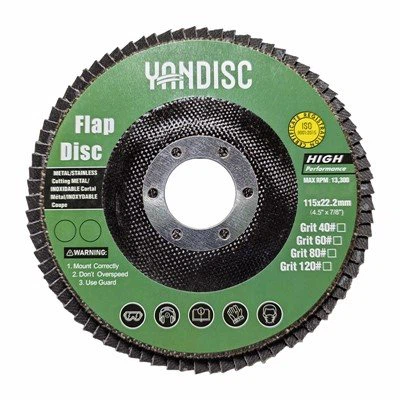
Abrasive Grains
The most crucial component of a metal cut – off wheel is the abrasive grains. These grains are what actually do the cutting. There are several types of abrasive grains used in metal cut – off wheels, each with its own unique properties.
Aluminum Oxide
Aluminum oxide is one of the most common abrasive grains. It is relatively inexpensive and has good self – sharpening properties. When the wheel is in use, the worn – out grains break off, revealing fresh, sharp edges. This ensures a consistent cutting performance. Aluminum oxide is suitable for cutting a wide range of metals, including mild steel, stainless steel, and aluminum. It can handle both light and heavy – duty cutting applications, making it a popular choice for general – purpose metal cut – off wheels.
Silicon Carbide
Silicon carbide abrasive grains are harder and more brittle than aluminum oxide. They are excellent for cutting non – ferrous metals such as aluminum, copper, and brass. Silicon carbide has a high heat resistance and can cut through these softer metals quickly and cleanly. However, it is not as effective for cutting ferrous metals because it can react with iron and cause the wheel to become clogged.
Cubic Boron Nitride (CBN) and Diamond
Cubic Boron Nitride and diamond are super – abrasive grains. They are extremely hard and are used in high – performance metal cut – off wheels. CBN is mainly used for cutting hard ferrous metals, such as hardened steel and alloy steels. Diamond, on the other hand, is the hardest known material and is ideal for cutting non – metallic materials like ceramics and glass. However, diamond – impregnated wheels can also be used for cutting some very hard metals, especially in precision cutting applications.
Bonding Agents
The abrasive grains need to be held together in a specific shape to form a cut – off wheel. This is where bonding agents come in. Bonding agents are materials that hold the abrasive grains in place and determine the wheel’s strength, flexibility, and cutting ability.
Resin Bonds
Resin bonds are the most widely used bonding agents in metal cut – off wheels. They are made from synthetic resins, such as phenolic resins. Resin – bonded wheels are known for their high cutting speed and good flexibility. They can be used for both dry and wet cutting. The resin bond also allows the wheel to conform to the shape of the metal being cut to some extent, which helps in achieving a smooth cut. However, resin – bonded wheels have a relatively lower heat resistance compared to some other bonding agents.
Vitrified Bonds
Vitrified bonds are made by fusing ceramic materials at high temperatures. Vitrified – bonded metal cut – off wheels are very strong and have excellent heat resistance. They can maintain their shape and cutting performance even under high – pressure and high – temperature cutting conditions. Vitrified bonds are often used in precision cutting applications where a high degree of accuracy is required. However, these wheels are more brittle than resin – bonded wheels and may require more careful handling.
Reinforcements
To enhance the strength and safety of metal cut – off wheels, reinforcements are often added. Fiberglass meshes are the most common type of reinforcement. One or more layers of fiberglass meshes are embedded in the wheel during the manufacturing process. The fiberglass meshes help to prevent the wheel from shattering during high – speed operation. They also increase the wheel’s resistance to breakage when cutting hard or thick metals.
Fillers
Fillers are sometimes added to the composition of metal cut – off wheels to improve certain properties. Fillers can be used to adjust the wheel’s hardness, porosity, or cutting performance. For example, some fillers can increase the wheel’s porosity, which helps in better chip removal during cutting. This can prevent the wheel from becoming clogged and improve its cutting efficiency. Other fillers can be used to modify the wheel’s hardness, making it more suitable for specific types of metals or cutting applications.
Binders in the Coating
Some metal cut – off wheels have a coating on the surface. The coating can serve several purposes, such as reducing friction, preventing corrosion, or enhancing the cutting performance. Binders are used in the coating to hold the coating materials in place. These binders can be similar to the bonding agents used in the wheel core but are formulated to work with the specific coating materials.
The Importance of Composition in Different Applications
The composition of a metal cut – off wheel is tailored to different applications. For example, in a manufacturing plant where large – scale cutting of mild steel is required, a wheel with aluminum oxide abrasive grains and a resin bond would be a good choice. This combination provides a good balance between cutting speed, cost, and durability.
In a precision engineering workshop, a vitrified – bonded wheel with CBN abrasive grains might be used for cutting hardened steel components. The high strength and heat resistance of the vitrified bond, combined with the hardness of CBN, ensure accurate and efficient cutting.
Quality Control in Composition
As a supplier, we pay great attention to the composition of our metal cut – off wheels. Quality control starts from the selection of raw materials. We source high – quality abrasive grains that meet strict purity and size specifications. The bonding agents and reinforcements are also carefully chosen to ensure the best performance and safety of the wheels.

During the manufacturing process, we use advanced techniques to ensure the proper distribution of abrasive grains, bonding agents, and reinforcements. Stringent testing is carried out at every stage of production to verify the quality of the wheels. This includes tests for hardness, strength, cutting performance, and safety.
Contact for Procurement
Felt Wheel If you are in the market for high – quality metal cut – off wheels, our products are designed to meet your needs. We offer a wide range of wheels with different compositions to suit various applications. Whether you are a small workshop or a large industrial enterprise, we can provide you with the right metal cut – off wheels. Please feel free to contact us to discuss your specific requirements and start a procurement negotiation. We are committed to providing you with the best products at competitive prices and excellent after – sales service.
References
- "Handbook of Abrasive Technology" by Ralph L. Salmon
- "Abrasive Machining: Fundamentals and New Developments" by Y. Munoa and B. Reñones
- "Cut – off Wheels – Technical Information" by various industry – leading manufacturers
Henan Yandisc Hardware Tools Co., Ltd.
Address: Zinan Road, High-tech Industrial Development Zone, Zhengzhou, Henan, China
E-mail: info@yandisc.com
WebSite: https://www.yandisc.com/
