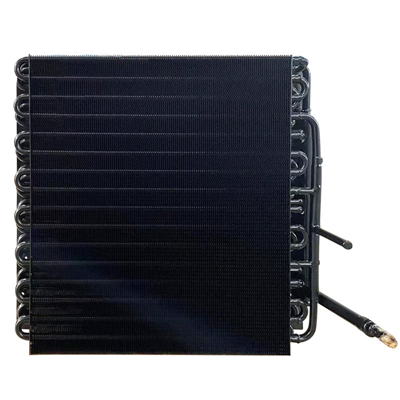
As a seasoned supplier in the field of air cooled evaporators, I’ve witnessed firsthand the remarkable evolution of this technology over the years. The air cooled evaporator market is ever – changing, driven by technological advancements, environmental regulations, and the shifting needs of various industries. In this blog, I’ll explore the future trends in air cooled evaporator technology and how they present both opportunities and challenges for our customers. Air Cooled Evaporators
Energy Efficiency Enhancements
One of the most prominent trends in air cooled evaporator technology is the relentless pursuit of energy efficiency. With the rising cost of energy and growing concerns about environmental impact, customers are increasingly demanding products that can deliver high performance while consuming less power.
New materials and design innovations are at the forefront of this drive towards energy efficiency. For instance, the use of advanced fin materials with high thermal conductivity can significantly improve heat transfer rates. These materials allow for more efficient heat exchange between the refrigerant and the surrounding air, reducing the energy required to achieve the desired cooling effect.
In addition to material improvements, intelligent control systems are becoming standard features in air cooled evaporators. These systems can adjust the operation of the evaporator based on real – time conditions, such as ambient temperature, humidity, and cooling load. By optimizing the fan speed, refrigerant flow rate, and other parameters, intelligent control systems can ensure that the evaporator operates at its peak efficiency at all times.
Another promising development is the integration of renewable energy sources. Some air cooled evaporators are now being designed to work in conjunction with solar panels or other renewable energy systems. This not only reduces the reliance on grid – based electricity but also offers long – term cost savings for customers.
Integration of IoT and Digitalization
The Internet of Things (IoT) is revolutionizing the way air cooled evaporators are monitored, controlled, and maintained. By connecting air cooled evaporators to the internet, suppliers and customers can access real – time data on the performance of the equipment.
IoT – enabled air cooled evaporators are equipped with sensors that can collect data on various parameters, such as temperature, pressure, and vibration. This data can be transmitted to a cloud – based platform, where it can be analyzed using advanced algorithms. The analysis can provide valuable insights into the health of the equipment, predict potential failures, and recommend preventive maintenance actions.
Digitalization also allows for remote monitoring and control of air cooled evaporators. Customers can use their smartphones or other devices to access the control system of the evaporator from anywhere in the world. This feature is particularly useful for large – scale industrial applications, where multiple evaporators are installed across different locations. It enables operators to make adjustments to the equipment quickly and efficiently, reducing downtime and improving overall productivity.
Environmental Sustainability
Environmental sustainability is a major concern in today’s world, and the air cooled evaporator industry is no exception. There is a growing demand for products that have a minimal impact on the environment.
One of the key areas of focus is the use of environmentally friendly refrigerants. Traditional refrigerants, such as chlorofluorocarbons (CFCs) and hydrochlorofluorocarbons (HCFCs), are known to contribute to ozone depletion and global warming. As a result, there is a global push towards the adoption of more sustainable refrigerants, such as hydrofluorocarbons (HFCs) with low global warming potential (GWP) and natural refrigerants like ammonia and carbon dioxide.
In addition to refrigerant selection, the design of air cooled evaporators is also being optimized to reduce waste and energy consumption. For example, some manufacturers are designing evaporators that are more compact and lightweight, reducing the amount of raw materials required for production. These designs also often require less energy to operate, further contributing to environmental sustainability.
Customization and Modular Design
As industries become more diverse, the need for customized air cooled evaporators is on the rise. Different applications have different requirements in terms of cooling capacity, temperature range, and operating conditions. Customers are looking for suppliers who can provide tailored solutions that meet their specific needs.
Modular design is a trend that is closely related to customization. Modular air cooled evaporators are made up of standardized components that can be easily assembled and disassembled. This design approach allows for greater flexibility in terms of installation, maintenance, and expansion. Customers can choose the components they need based on their specific requirements, and the modular design makes it easier to upgrade or replace parts as needed.
Noise Reduction
Noise pollution is a significant issue in many industrial and commercial settings. Air cooled evaporators, with their fans and compressors, can be a source of noise. As a result, there is a growing demand for quieter air cooled evaporators.
Manufacturers are using a variety of techniques to reduce the noise generated by air cooled evaporators. These include the use of low – noise fans, improved fan blade designs, and sound – insulating materials. By reducing the noise level, air cooled evaporators can be installed in more sensitive locations, such as hospitals, schools, and residential areas.
Market Expansion and New Applications
The market for air cooled evaporators is expanding into new sectors. In addition to the traditional applications in the food and beverage, refrigeration, and air – conditioning industries, air cooled evaporators are finding new uses in emerging sectors.
For example, the data center industry has a growing need for efficient cooling solutions to maintain the optimal temperature of servers and other equipment. Air cooled evaporators can provide a cost – effective and energy – efficient cooling option for data centers.
The pharmaceutical industry also requires precise temperature control for the storage and processing of drugs. Air cooled evaporators can be customized to meet the strict temperature and humidity requirements of this industry.
Conclusion
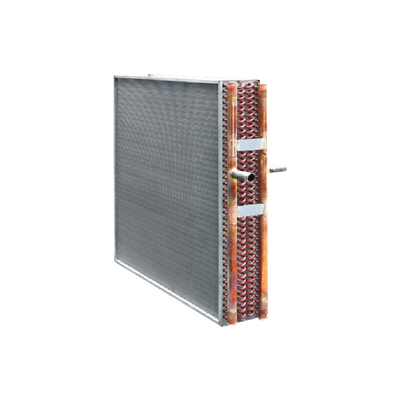
The future of air cooled evaporator technology is full of exciting possibilities. Energy efficiency, IoT integration, environmental sustainability, customization, noise reduction, and market expansion are all trends that are shaping the industry. As a leading supplier of air cooled evaporators, we are committed to staying at the forefront of these trends and providing our customers with the most advanced and innovative products on the market.
Finned Tube If you are in the market for high – quality air cooled evaporators or are interested in learning more about how our products can meet your specific needs, we encourage you to reach out to us. Our team of experts is ready to discuss your requirements and provide you with a customized solution. Let’s work together to embrace the future of air cooled evaporator technology.
References
- ASHRAE Handbook – Refrigeration. American Society of Heating, Refrigerating and Air – Conditioning Engineers.
- International Institute of Refrigeration (IIR) publications on refrigeration technology and environmental impact.
- Industry reports from market research firms specializing in the HVAC and refrigeration sectors.
Xiangshui Derkang Refrigeration Equipment Co., Ltd.
Address: No. 2, Xiaojian Town Entrepreneurship Park, Xiangshui County
E-mail: 505745223@qq.com
WebSite: https://www.xsderk.com/
