Hey there! I’m a supplier of substation structures, and I’ve been in this game for quite a while. One of the big challenges we often face is dealing with areas that have high humidity. You know, moisture in the air can really mess with substation structures if we don’t take the right precautions. So, I thought I’d share with you what the requirements are for substation structures in high – humidity areas. Substation Structures

First off, let’s talk about materials. In regions with high humidity, corrosion is like the silent enemy. It can eat away at the metal parts of a substation structure over time, weakening it and potentially causing safety issues. So, we need to use materials that are corrosion – resistant. Stainless steel is a great option. It has a protective layer that helps prevent rust from forming, even when it’s constantly exposed to moisture. Galvanized steel is another popular choice. It’s coated with a layer of zinc, which acts as a sacrificial anode. This means the zinc corrodes first before the steel does, giving the structure a longer lifespan.
I remember one project we did in a coastal area. The humidity there was off the charts. We initially thought we could use regular steel and just paint it. But boy, were we wrong! After just a few months, the paint started to peel, and the steel was already showing signs of rust. We had to go back and replace a lot of the parts with galvanized steel. It cost us more time and money, but it was worth it in the long run.
Another important material consideration is the use of non – metallic components. Fiberglass, for example, is a great alternative for things like insulators and support brackets. It doesn’t corrode at all, and it can withstand the effects of high humidity very well. It’s also lightweight, which makes it easier to install and transport.
When it comes to the design of substation structures in high – humidity areas, drainage is a must. You see, if water collects on the structure, it can cause all sorts of problems. It can lead to the growth of mold and mildew, which not only looks bad but can also affect the performance of the electrical equipment. And of course, standing water accelerates the corrosion process.
So, we design our structures with proper slope and drainage channels. This way, any water that lands on the structure quickly runs off. We also make sure to seal all the joints and seams tightly. Even a small gap can allow water to seep in, and once it’s inside, it can be difficult to get rid of.
Ventilation is also crucial. High humidity areas often have a lot of moisture in the air, and if the substation structure is not well – ventilated, the moisture can get trapped inside. This can lead to condensation on the electrical components, which can short – circuit them or cause other malfunctions.
We install vents and fans in the structures to keep the air circulating. This helps to remove the moisture and keep the internal environment dry. It’s like having a big breath of fresh air in a stuffy room.
Now, let’s talk about maintenance. In high – humidity areas, regular maintenance is not just an option; it’s a necessity. We need to check the structures on a regular basis for signs of corrosion, damage, and wear and tear.
We usually start with a visual inspection. We walk around the structure and look for things like rust, peeling paint, or loose bolts. If we find any issues, we address them right away. Sometimes, we might need to touch up the paint or replace a small part. Other times, more extensive repairs might be required.
We also test the electrical components regularly. This helps us make sure that everything is working properly and that there are no hidden problems caused by the high humidity. And we keep detailed records of all our maintenance activities. This way, we can track the performance of the structure over time and plan for future maintenance needs.
I once had a client who thought they could skimp on maintenance. They had a substation in a high – humidity area, and they only checked it once a year. One day, they had a major outage because a corroded part failed. It took a long time and a lot of money to get everything up and running again. After that, they realized the importance of regular maintenance and started following our recommended schedule.
In addition to all these technical aspects, we also need to consider the environmental impact. High – humidity areas are often sensitive ecosystems, and we need to make sure our substation structures don’t cause any harm.
We use environmentally friendly materials whenever possible. For example, instead of using chemicals that are harmful to the environment for cleaning or corrosion prevention, we opt for more natural alternatives. We also make sure to properly dispose of any waste materials during the installation and maintenance process.
So, to sum it all up, if you’re looking for substation structures for a high – humidity area, you need materials that are corrosion – resistant, a design that includes proper drainage and ventilation, a regular maintenance plan, and a focus on environmental impact.
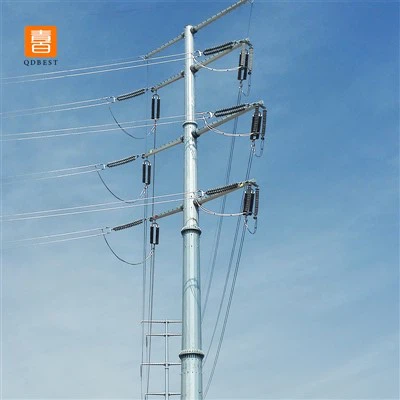
If you’re in the market for substation structures and you’re dealing with a high – humidity area, don’t hesitate to reach out. We’ve got the experience and the know – how to provide you with the best solutions. Whether it’s a small substation for a local community or a large one for an industrial complex, we can help you get the right structure that meets all the requirements. Feel free to contact us to start a conversation about your project.
Telecommunication Tower References
- "Corrosion Prevention in High – Humidity Environments" – Journal of Electrical Infrastructure
- "Design Considerations for Substation Structures in Coastal Areas" – Engineering Times Magazine
- "Maintenance Best Practices for Electrical Substations" – Electrical Maintenance Quarterly
Qingdao BEST Steel Structure Co., Ltd.
Qingdao BEST Steel Structure Co., Ltd. is one of the most professional substation structures manufacturers and suppliers in China. We warmly welcome you to buy customized substation structures made in China here from our factory. If you have any enquiry about OEM service, please feel free to email us.
Address: Jiaobei Industrial Park, Qingdao, China
E-mail: sales@qdbsstower.com
WebSite: https://www.qdbsstower.com/
