If you’ve ever ordered a custom peptide for research, drug discovery, or diagnostic development, you might’ve wondered why some suppliers send you a packet with a Certificate of Analysis (CoA) as thick as a textbook, while others just toss it in an email like an afterthought. As someone who’s run a custom peptide shop for years, I’m here to break down the regulatory stuff that actually matters—no stuffy jargon, just what you need to know, whether you’re a researcher placing your first order or a lab lead vetting a new supplier. Custom Peptide
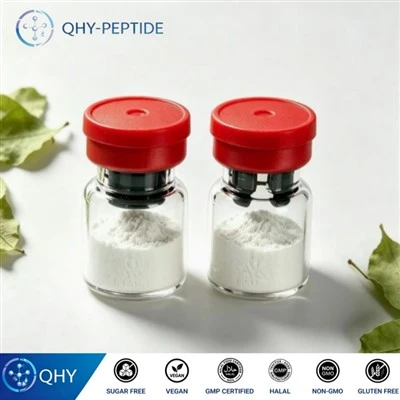
Let’s start with the basics: custom peptides aren’t one-size-fits-all. The rules change depending on what you’re planning to use them for, and that’s where most people (even some new lab managers) trip up. First, let’s split the two big buckets everyone should understand: research use only (RUO) peptides, and peptides that head toward clinical use (so preclinical, phase trials, or even drug candidates).
For RUO peptides—this is the bulk of what we ship, like the ones used for Western blots, ELISAs, basic protein studies, or as controls for lab tests—regulatory requirements are way more chill, but still non-negotiable. Wait, chill doesn’t mean no rules, right? Let’s clarify: the FDA doesn’t regulate RUO peptides as “drugs” here in the US, and the EU’s CE marking rules leave them alone if they’re strictly for in-lab research, not for patient testing or therapeutic use. But that doesn’t mean you as a supplier can cut corners. Even for RUO, we have to track starting materials. Like, if we’re sourcing the amino acids that build your peptide, we need to know where they came from, their purity, and that they’re free of contaminants like residual solvents or heavy metals that would mess up your results. A bad batch of starting amino acids can make your entire experiment useless, so regulators (and common sense) expect that traceability.
Also, for RUO, we have to label every batch clearly—no vague stuff. The label has to say “Research Use Only, Not for Diagnostic or Therapeutic Use” in big, bold letters, because that’s the line in the sand. If you order a peptide from us for RUO and then turn around and inject it into a mouse for preclinical work, that’s your call, but we have to make sure we don’t accidentally mislabel it. We also provide a CoA for every RUO batch, which lists the purity (we aim for 95% or higher, but we’ll note if a batch is lower for a specific reason), the mass spec data (to confirm the sequence is exactly what you ordered), HPLC results, and any residual solvents left from synthesis. For RUO, that’s the big checkmark, but when we start talking about peptides that get used in the clinic, that’s when the game changes entirely.
If a peptide is going to be part of a clinical trial—whether it’s for a therapeutic, a diagnostic test that’s being tested on patients, or a vaccine component—all bets (well, most of them) are off, and we have to follow cGMP: current Good Manufacturing Practices. That’s a big one, and it’s way stricter than RUO. CGMP isn’t just paperwork; it’s every step of production being monitored, documented, and traceable. Let’s break that down for you: we have to maintain a fully controlled manufacturing environment—filtered air, regular cleaning logs, staff trained to follow strict protocols, no cross-contamination between batches. All starting materials have to be from approved vendors, with their own CoAs, and we have to test every single batch of raw materials before we use it.
For clinical-grade peptides, the purity bar is way higher too—usually 98% or above, because even a tiny impurity can cause an adverse reaction in patients. We also have to do way more testing: not just mass spec and HPLC, but things like testing for endotoxins (super important, because endotoxins can trigger fever or inflammation in patients), residual DNA (if we’re using any biological processes, though most peptide synthesis is chemical), and identity testing to make 100% sure the sequence is correct. Even packaging is regulated—clinical peptides have to be shipped in sterile, sealed containers with tamper-evident seals, and every step of the production, testing, and shipping process has to be fully documented so that if something goes wrong, regulators can trace it back to exactly where the error happened.
Now, if you’re based outside the US, say in the EU, you have to follow additional rules. For example, peptides used in clinical trials there have to comply with the EU’s GMP Annex 11, which is specific to active pharmaceutical ingredients (APIs) made via chemical synthesis. Even for custom peptides used in in vitro diagnostic medical devices (IVDs) in the EU, there are CE marking requirements that apply, not just RUO rules. That’s a common mix-up: if a customer in the EU is using a custom peptide to make a test that will be sold to clinics, that’s an IVD, so it needs to meet CE requirements, not just basic RUO labeling.
Wait, let’s talk about some common misconceptions I run into all the time. A lot of people think “custom peptide” means no regulations, just mix and match amino acids. Nope, not if you’re using it for anything beyond the bench. Another one: “if I don’t sell it, I don’t need GMP.” Wrong—if you’re making it for a clinical trial that’s submitted to the FDA or EMA, even if it’s for your own lab’s trial, you have to follow cGMP. Those regulators don’t care if it’s in-house or from a third-party supplier; they care about the quality and safety of what’s given to patients.
What about when a peptide is both RUO and has a future clinical use? Like, a researcher might order a small RUO peptide to test in cells, then later decide to scale it up for preclinical work. We have to have systems in place to separate those two paths. We don’t mix RUO production batches with clinical batches, ever. All the documentation is kept separate too, so if a customer wants to move a peptide from RUO to clinical, we can audit the history of the RUO batch to see what starting materials were used, how it was stored, etc.—that’s critical for regulatory submissions.
Now, let’s talk about what this means for you, the customer. When you’re choosing a custom peptide supplier, don’t just go for the cheapest quote. Ask them: what’s their traceability process? Do they provide full CoAs for every batch? Can they make clinical-grade peptides if you need them down the line? For RUO use, even if you don’t need clinical stuff, a supplier that follows basic regulatory standards (like tracking raw materials and providing accurate testing) will give you more reliable results than someone who cuts corners. For clinical work, you need a supplier that’s actually audited for cGMP (or EU GMP, depending on where you’re based) and can provide all the documentation you’ll need for your IND (Investigational New Drug) application or trial submission.
Let’s be real, regulatory stuff can feel overwhelming, especially if you’re new to ordering custom peptides. That’s why we’ve built our shop to be transparent about all of this. We don’t hide our processes, and we’re happy to walk you through exactly what you’ll get for your specific use case—whether you need a RUO peptide for a quick experiment or a clinical-grade batch for a phase trial. We make sure every piece of paperwork is clear, no confusing fine print, so you don’t have to guess if you’re meeting the rules for your work.
If you’re gearing up to order custom peptides, take 10 minutes to think about how you’ll use them. That will make it way easier to ask the right questions and pick a supplier that can meet your needs. Don’t just look at price—quality and compliance will save you time, money, and headaches down the line, especially if you’re moving toward clinical work.
At the end of the day, regulatory requirements for custom peptides aren’t just red tape. They’re there to make sure your peptide is what you ordered, it’s pure enough for your work, and if it ever touches patients, it’s safe. We take that seriously, because we know how much our work matters to your research—whether you’re unlocking a new disease target or developing a treatment that could change lives.
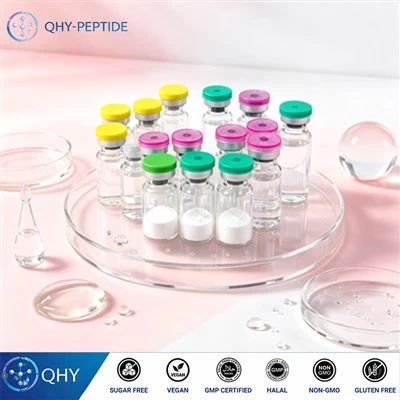
If you’re ready to place an order or just have questions about how our processes work for your specific project, we’re here to help. Shoot us a message to start the conversation—we can walk through your requirements, break down any regulatory stuff you’re confused about, and make sure you get exactly what you need, on time, and compliant with all the rules that matter.
Custom Peptide References
- U.S. Food and Drug Administration. (2023). Regulatory Considerations for Peptides Used in Research and Clinical Settings.
- European Medicines Agency. (2022). GMP Annex 11: Manufacture of Medicinal Products by Chemical Synthesis.
- International Council for Harmonisation of Technical Requirements for Pharmaceuticals for Human Use. (2021). ICH Q7 Guidelines for Good Manufacturing Practice for Active Pharmaceutical Ingredients.
- U.S. Food and Drug Administration. (2020). Guidance for Industry: Custom-made Drugs for Compassionate Use.
QHY Bioengineering Co., Ltd.
QHY Bioengineering Co., Ltd. is one of the most professional custom peptide manufacturers and suppliers in China. Please feel free to wholesale advanced custom peptide made in China here from our factory. All customized products are with high quality and competitive price. Contact us for pricelist and free sample.
Address: Luoyang City, Henan Province, P.R.China
E-mail: manager1@qhy-bioengineering.com
WebSite: https://www.qhy-bioengineering.com/
