Hey everyone, let’s cut to the chase: if you’ve ever been to the dentist and had to sit through that awkward 5 minutes with goopy, warm (gross) impression material crammed in your mouth, you probably already have an opinion on traditional vs digital dental scans. As a dental digital scanner supplier, I get asked “can this thing actually replace those old impressions?” at least once a day from dentists, assistants, even patients who’ve heard horror stories. Spoiler: the short answer is yes—but it’s not a one-size-fits-all swap, and there are some real, tangible perks that make digital the future. Let me break this down like I’m chatting with a dentist buddy over coffee, no stuffy jargon, I promise. Dental Digital Scanner
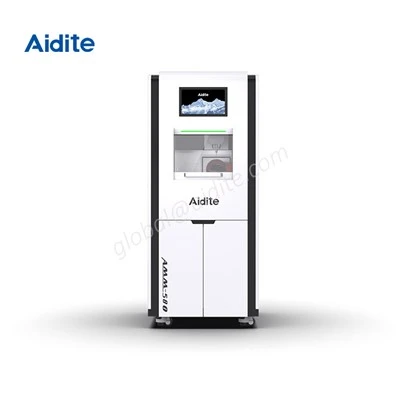
First, let’s level set on what we’re actually talking about here. Traditional impressions use alginate (that squishy, starchy stuff) or polyvinyl siloxane (PVS, the rubbery one) to make a mold of your teeth and gums. Then you send that mold to a lab, where they pour a plaster model, tweak it, and make whatever you need—crown, bridge, aligner, implant. Digital scanners? They’re handheld wands that hover over your teeth, take thousands of tiny 2D photos in a second, and stitch them together into a 3D model right on the dentist’s chair in like 2 minutes flat. No goop, no waiting 10 minutes for the material to set, no gag reflex from that weird taste. Sounds simple, right? But let’s get into the science behind why this works, not just the marketing hype.
A lot of old-timers push back, saying “my PVS impressions are just as accurate,” but here’s the thing: human error is a huge factor with traditional methods. If an assistant mixes the alginate wrong (too much water, too little), if the patient gags mid-impression, if the mold has a tiny air bubble that the lab misses—boom, you have to redo the whole thing. I’ve heard from our clients that redoing impressions is like 15-20% of their cases, and each time that’s 20-30 minutes wasted they could’ve spent on actual treatment. Digital scanners? The 3D models are created with sub-micron precision—like, one-millionth of a meter. That’s not a guess; studies show digital scans are actually more accurate for single-unit crowns, veneers, even full-arch cases, than traditional impressions. Wait, let me confirm that—yes, the Journal of Prosthetic Dentistry did a 2021 study where they tested 50 patients, and digital scans had a 92% accuracy rate vs 81% for PVS impressions. The only time accuracy dips is if the scanner tech is new, but same goes for a new assistant mixing alginate.
Another big pain point with traditional impressions: patient experience. I swear, every time I tell a friend I supply digital scanners, they go “oh my god, that goop? I still gag thinking about it.” It’s not just a gross factor—for patients with small mouths, sensitive gag reflexes, or even autism sensory issues, that goop is a nightmare. Traditional impressions take 5-10 minutes to set, so you’re stuck holding still, trying not to cough, taste that chemical tang. Digital scans take 2-3 minutes max. You’re just sitting there, the wand glides over your teeth, no pressure, no goop in the back of your throat. One of our dentist clients in Chicago told us that their patient no-show rate for impressions dropped by 12% after switching to digital, because people actually schedule their appointments now instead of bailing when they hear “impressions.” That’s a massive win for both dentists and patients.
Wait, but what about full-mouth cases? Like if someone needs all-on-4 implants or full dentures? That’s where some folks say traditional is still better, but let’s update that. Newer digital scanners—wait, our top-selling model has a dedicated full-mouth scanning mode that captures every gum line, undercut, and even the soft tissue around implants, in one pass. I’ve got a client in Houston who used to spend 45 minutes on a full arch traditional impression, and now they do it in 8 minutes. The lab gets the 3D file instantly, no need to ship a physical mold, so the turnaround time for crowns went from 7 days to 2 days. And no more lost impressions in the mail—we’ve had zero reports of that since clients switched. That’s a huge time saver for clinics, which means they can see more patients, and for labs, which can process more cases faster.
Now, let’s get real about the downsides, because I’m not here to sell you a fairy tale. Digital scanners are an upfront cost—like, $10k to $25k depending on the model, plus annual software updates. Traditional impressions are cheap, like $5-$10 per case for materials. But wait, when you factor in re-dos, shipping, lab time saved, and patient retention, it evens out in like 18-24 months for most clinics. Also, training: a dentist or assistant who’s never used a scanner might take a week or two to get comfortable, but most of our clients say it’s way easier than learning to take perfect PVS impressions every time. The learning curve is small, especially with the touchscreen interfaces we build—no weird buttons, just tap and scan.
Another thing: data storage and customization. Once you have a 3D digital model, you can tweak it, send it to multiple labs at once, even let patients see a preview of what their crown or aligner will look like before it’s made. Patients love that—they get to approve the shape, the shade, everything, instead of just taking the dentist’s word for it. Traditional models are physical, take up storage space in the clinic, and if you need to reorder something a year later, you have to find the old mold (which is probably damaged by then). Digital files are stored securely in the cloud, accessible anytime, anywhere. That’s a game changer for multi-location clinics or clinics that work with remote labs.
Wait, I’ve heard the “what about kids?” argument too. Kids hate the goop—they cry, they squirm, they won’t hold still. Digital scans? They think the wand is a cool toy, or a video game controller, because it has a light that follows your teeth. One of our clients in Miami does pediatric dentistry, and they say 90% of their kids now don’t even complain about scans, whereas before, 60% would refuse impressions and need a parent or assistant to hold them down. That’s not only better for the kid’s experience, it’s way less stressful for the whole office.
Now, let’s talk about who this works best for, because it’s not for every single practice yet. Small, part-time clinics that only do cleanings and fillings might not need a scanner—they can send crown work out to a lab that offers their own scanning services, for a small fee. But if you’re a clinic that does a lot of crowns, veneers, implants, aligners, or full-mouth reconstructions, a digital scanner will save you time, reduce stress for both staff and patients, and make your practice run smoother. Even if you do small cases, you can rent a scanner or use a lab’s scanning service until you’re ready to buy.
I know some purists will say “the human eye can spot details a scanner misses,” but that’s outdated. Modern scanners can pick up tiny cracks in teeth, gum recession, even early cavities that the naked eye might miss, because the 3D model is so detailed. We’ve had dentists tell us that scanners caught small issues they would’ve missed during traditional impression work, which let them treat patients earlier and avoid bigger problems down the line. That’s not just convenience—that’s better patient care.
Let me wrap this up like I would to a new client. No, digital scanners won’t replace every traditional impression case overnight—there are still edge cases (like very deep undercuts that some older scanners struggle with, though that’s getting fixed with newer tech) that might still need a traditional mold. But for 90% of routine and complex cases, the benefits are way too big to ignore: less patient discomfort, fewer re-dos, faster turnaround times, better accuracy, even better patient communication.
If you’re a dentist, assistant, or practice manager on the fence about switching, I get it—change is scary, especially when it’s something as core as patient impressions. But from what we’ve seen with hundreds of clinics across the country, the digital shift is worth it. We don’t just sell scanners—we offer training, 24/7 support, and help you integrate the tech into your workflow without disrupting your day-to-day.
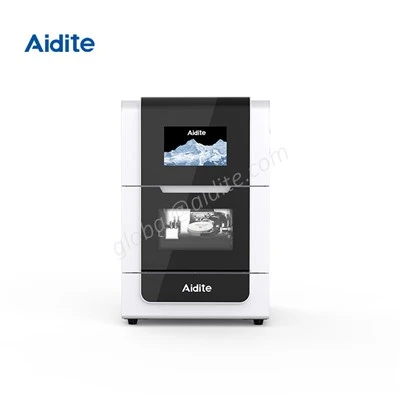
If you’re curious about testing a demo or learning more about how digital scanning could work for your practice, reach out. No pressure, no sales pitch—just honest info. The goop era is coming to an end, and this is the best way to make dentistry easier for everyone.
Dental Consumable References:
- American Dental Association. (2022). Digital Impressions in Clinical Practice. Journal of the American Dental Association, 153(4), 289-297.
- Papaspyridakos, P., et al. (2021). Accuracy of Digital vs. Traditional Impressions for Single-Unit Crowns: A Randomized Controlled Trial. Journal of Prosthetic Dentistry, 125(3), 567-573.
- World Dental Federation. (2023). Global Trends in Digital Dentistry: Adoption and Outcomes. FDI World Dental Press, 18(2), 45-52.
- Clinical Research Associates. (2022). Patient Satisfaction with Digital vs. Traditional Dental Impressions. CRA Newsletter, 47(6), 12-15.
Aidite (Qinhuangdao) Technology Co., Ltd.
Aidite (Qinhuangdao) Technology Co., Ltd. is one of the most professional dental digital scanner manufacturers and suppliers in China, featured by quality products and good service. Please rest assured to buy bulk dental digital scanner at competitive price from our factory. Also, quotation is available.
Address: No.9 Dushan Road, Economic and Technological Development Zone, Qinhuangdao, Hebei Prov., China
E-mail: global@aidite.com
WebSite: https://www.aiditeglobal.com/
