UF (Ultrafiltration) cassettes are crucial components in many industrial and laboratory filtration processes. As a supplier of UF cassettes, I’ve witnessed firsthand the diverse challenges that users face with these products. In this blog, I’ll delve into the common failures of UF cassettes, the reasons behind them, and how to address these issues effectively. UF Cassettes

Membrane Fouling
One of the most prevalent problems with UF cassettes is membrane fouling. This occurs when particles, macromolecules, or colloids in the feed solution accumulate on the membrane surface or within its pores. The buildup forms a layer that can severely impede the flow of the filtrate, reducing the permeate flux and causing a decline in the filtration efficiency.
There are two main types of fouling: reversible and irreversible. Reversible fouling typically results from the deposition of loosely bound particles on the membrane surface. This can often be mitigated through simple cleaning procedures, such as backwashing. Backwashing involves reversing the flow of the permeate, which helps dislodge and remove the surface – bound contaminants.
On the other hand, irreversible fouling is more problematic. It happens when contaminants penetrate deep into the membrane pores or form strong chemical bonds with the membrane material. This type of fouling can be caused by factors such as high – molecular – weight proteins, polysaccharides, and organic compounds. To prevent irreversible fouling, it’s essential to pre – treat the feed solution to remove large particles and adjust the pH and temperature to optimize the membrane’s performance.
In addition, the operating conditions can significantly influence the degree of fouling. High cross – flow velocities can help reduce the deposition of particles on the membrane surface by creating a scouring effect. However, excessively high velocities can cause mechanical damage to the membrane. It’s important to find the right balance when setting the cross – flow velocity.
Membrane Compaction
Another common failure of UF cassettes is membrane compaction. Membrane compaction occurs when the membrane material is subjected to high pressures over an extended period. The physical structure of the membrane can change, leading to a reduction in the pore size and a decrease in the permeate flux.
Over time, the polymer chains in the membrane can re – arrange themselves under pressure, causing the pores to shrink. This not only reduces the flow rate but can also affect the separation performance of the membrane. For example, if the pore size becomes too small, it may retain molecules that are supposed to pass through the membrane, leading to a change in the filtrate composition.
To prevent membrane compaction, it’s crucial to operate the UF system within the recommended pressure range. Regular monitoring of the pressure and flux is necessary to detect any signs of compaction early. If compaction is detected, reducing the operating pressure or replacing the membrane may be required.
Seal Leakage
Seal leakage is a significant issue that can compromise the performance of UF cassettes. The seals in UF cassettes are designed to prevent the feed solution from bypassing the membrane and mixing with the permeate. When a seal fails, it can lead to cross – contamination between the feed and permeate streams, reducing the purity of the filtrate.
Seal leakage can be caused by several factors. One common cause is improper installation. If the seals are not correctly positioned or tightened during the installation process, they may not provide an effective barrier. Over time, wear and tear can also cause the seals to degrade. Exposure to harsh chemicals, high temperatures, or mechanical stress can accelerate the deterioration of the seals.
To prevent seal leakage, it’s essential to follow the manufacturer’s installation instructions carefully. Regular inspection of the seals is also necessary to detect any signs of damage or wear. Replacing the seals at the recommended intervals can help ensure the integrity of the UF cassette.
Chemical Degradation
UF membranes are often made of polymers that can be sensitive to certain chemicals. Chemical degradation occurs when the membrane material reacts with chemicals in the feed solution, leading to a change in its structure and properties. This can result in a loss of the membrane’s selectivity and a decrease in the permeate flux.
Common chemicals that can cause degradation include strong acids, bases, oxidizing agents, and certain solvents. The degree of degradation depends on the type of membrane material, the concentration of the chemical, and the exposure time. For example, cellulose – based membranes are more susceptible to chemical attack by acids and bases compared to polyethersulfone membranes.
To prevent chemical degradation, it’s important to compatibility – test the feed solution with the membrane material before use. If the feed solution contains chemicals that are known to be harmful to the membrane, pre – treatment methods such as pH adjustment or chemical removal should be employed. Additionally, using a protective layer or a more chemical – resistant membrane material can help improve the membrane’s durability.
Mechanical Damage
Mechanical damage to UF cassettes can occur during handling, installation, or operation. Sharp objects or excessive force can cause tears or punctures in the membrane, which can severely affect the performance of the cassette. Incorrect installation can also subject the membrane to undue stress, leading to damage over time.
For example, if the membrane is not properly aligned during installation, it may experience uneven pressure distribution, which can cause local damage. In addition, the presence of solid particles in the feed solution can act as abrasives and cause scratches on the membrane surface. These scratches can provide a pathway for contaminants to bypass the membrane, reducing the filtration efficiency.
To prevent mechanical damage, careful handling of the UF cassettes is essential. Employees should be trained on the proper installation and operation procedures. Using a pre – filter to remove large particles from the feed solution can also help protect the membrane from abrasion.
Solutions and Recommendations
To address these common failures, here are some practical solutions:
- Fouling: Implement a regular cleaning schedule using appropriate cleaning agents. Develop a pre – treatment strategy to remove potential foulants from the feed solution. Monitor the permeate flux and transmembrane pressure to detect early signs of fouling.
- Compaction: Operate the UF system within the recommended pressure range. Use pressure – reducing valves if necessary. Keep a record of the pressure and flux data to identify trends and take preventive action.
- Seal Leakage: Ensure proper installation of the seals according to the manufacturer’s guidelines. Conduct regular visual inspections of the seals and replace them as needed.
- Chemical Degradation: Test the compatibility of the feed solution with the membrane material. Use chemical – resistant membranes or protective coatings if required.
- Mechanical Damage: Train personnel on proper handling and installation procedures. Use a pre – filter to remove solid particles from the feed solution.
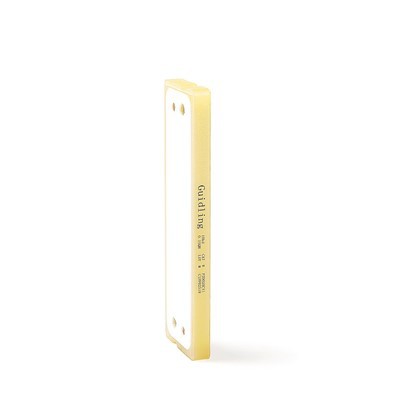
As a supplier of UF cassettes, I understand the importance of providing high – quality products and reliable solutions. Our UF cassettes are designed to minimize these common failures through advanced manufacturing techniques and the use of high – performance materials. We also offer comprehensive technical support to help our customers troubleshoot any issues they may encounter.
Final Fill If you’re facing challenges with your current UF cassettes or are looking for a reliable supplier, I encourage you to reach out to us. We’re committed to working with you to find the best filtration solutions for your specific needs. Whether you’re in the pharmaceutical, food and beverage, or biotechnology industry, our team of experts can provide customized recommendations and help you optimize your filtration processes.
References
- Cheryan, M. (1998). Ultrafiltration and Microfiltration Handbook. Technomic Publishing.
- Belfort, G., Davis, R. H., & Zydney, A. L. (1994). The behavior of suspensions and macromolecular solutions in crossflow microfiltration. Journal of Membrane Science, 96(1 – 2), 1 – 58.
- Strathmann, H. (2010). Synthetic Membranes: Science, Engineering and Applications. Springer.
Hangzhou Guidling Technology Co., Ltd.
As one of the leading uf cassettes manufacturers and suppliers in China, we also support customized service. We warmly welcome you to wholesale high quality uf cassettes in stock here from our factory. For quotation, contact us now.
Address: No.795, 18th Street, Qiantang New District, Hangzhou City, Zhejiang Province, China
E-mail: export1@guidling.net
WebSite: https://www.guidlingfiltration.com/
