What is the difference between a deep and shallow stainless steel sink? Stainless Steel Sink

As a supplier of stainless steel sinks, I often get asked about the differences between deep and shallow sinks. It’s a crucial question, as the choice between the two can significantly impact both the functionality and aesthetic of a kitchen or bathroom. In this blog post, I’ll delve into the various aspects that set deep and shallow stainless steel sinks apart, helping you make an informed decision for your next project.
Design and Aesthetics
One of the primary distinctions between deep and shallow stainless steel sinks lies in their visual impact. Deep sinks, typically measuring 8 inches or more in depth, offer a bold and substantial look. They can make a statement in a modern or industrial – style kitchen, creating a sense of depth and grandeur. The additional vertical space gives the impression of a more spacious and professional – grade sink, which is often favored in large, high – end kitchens.
On the other hand, shallow sinks, usually with a depth of 5 to 7 inches, provide a more understated and minimalist appearance. They blend seamlessly into contemporary or Scandinavian – inspired designs, where simplicity is key. Shallow sinks can also make a small kitchen look less cramped, as they don’t dominate the countertop space visually.
Functionality in the Kitchen
When it comes to functionality, both deep and shallow sinks have their own advantages.
Deep sinks are a chef’s dream when it comes to handling large pots and pans. You can easily soak a big stockpot or a roasting pan without worrying about water splashing onto the countertop. Their depth also allows for more water volume, which is useful for tasks like washing large batches of vegetables or fruits. Additionally, a deep sink can hide dirty dishes, keeping your kitchen looking tidier, especially if you have guests dropping in unexpectedly.
However, shallow sinks offer their own set of benefits. They are more ergonomic for tasks that require frequent bending over the sink, such as hand – washing delicate items or doing quick rinses. Since the water level is closer to the user, there is less strain on the back and shoulders. Shallow sinks are also quicker to fill and drain, which can save time and water in the long run. They are ideal for small kitchens where countertop space is at a premium, as they leave more room for food preparation.
Cleaning and Maintenance
Cleaning practices also vary between deep and shallow stainless steel sinks. Deep sinks, with their greater depth, can sometimes collect dirt and debris in the corners. Reaching the bottom and back of a deep sink can be a bit challenging, especially if you have short arms. As a result, it might take a bit more effort to ensure that all areas of the sink are thoroughly cleaned. However, the extra depth can also prevent splashes from getting onto the countertop, which means less cleaning of the surrounding area.
Shallow sinks, on the other hand, are generally easier to clean. You can easily access all parts of the sink, making it straightforward to wipe down the surface and remove any dirt or grime. But because they are shallower, they are more prone to splashing, which means you may need to clean the countertop around the sink more frequently.
Durability and Build Quality
The durability of a stainless steel sink depends not only on the material but also on its design. Deep sinks often require a thicker gauge of stainless steel to maintain their structural integrity. Since they hold more water and are subjected to greater pressure at the bottom, a thicker material helps prevent warping and denting over time. A well – made deep sink, with a good quality finish, can last for decades, even with heavy use.
Shallow sinks, while also made from stainless steel, can sometimes get away with a slightly thinner gauge because they don’t experience the same level of pressure. However, it’s still important to choose a sink with a good build quality to ensure it doesn’t scratch or dent easily. A high – quality shallow sink can also be extremely durable and stand up to daily wear and tear.
Price Considerations
Price is another factor to take into account when choosing between a deep and shallow stainless steel sink. Generally speaking, deep sinks tend to be more expensive. The additional material required for their construction, combined with the potentially more complex manufacturing process, contributes to the higher cost. Additionally, deep sinks often come with advanced features such as sound – deadening pads or anti – bacterial coatings, which can further increase the price.
Shallow sinks, on the other hand, are usually more budget – friendly. They use less material and are simpler to produce, which translates into a lower price point. This makes them a popular choice for homeowners on a tight budget or for projects where cost is a major consideration.
Installation Considerations
The installation process can also differ between deep and shallow sinks. Deep sinks require more under – counter space to accommodate their depth. This means that in some older kitchens or those with limited cabinet space, installing a deep sink may require modifications to the cabinets. Additionally, the plumbing for a deep sink needs to be designed to handle the increased volume of water, which may involve a larger drain pipe or a more powerful disposal unit.
Shallow sinks are more straightforward to install. They don’t require as much under – counter space, and in most cases, can be fitted into existing cabinets without major modifications. The plumbing for a shallow sink is also simpler, as it doesn’t need to handle as much water volume.
Usage Patterns
Your specific usage patterns play a crucial role in deciding between a deep and shallow sink. If you’re an avid cook who frequently deals with large cooking utensils, a deep sink is likely the better option. It will make your cooking and cleaning tasks much more convenient.
On the other hand, if you mainly use the sink for light tasks like hand – washing dishes and doing quick rinses, a shallow sink will probably meet your needs. It’s also a great choice for families with children or for households where multiple people use the sink at different times, as it’s easier on the back for shorter individuals.
In conclusion, the choice between a deep and shallow stainless steel sink depends on a variety of factors, including your design preferences, functionality requirements, budget, and installation constraints. As a stainless steel sink supplier, I’m here to provide you with high – quality sinks that meet your specific needs. Whether you opt for the boldness of a deep sink or the simplicity of a shallow one, we have a wide range of options to choose from.
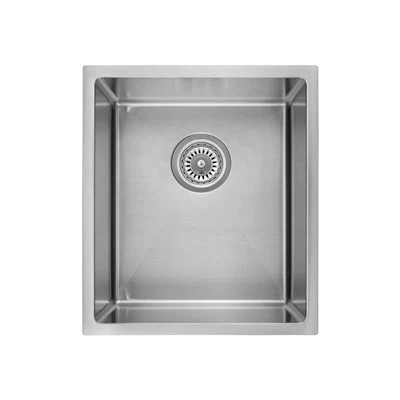
If you’re interested in learning more about our stainless steel sinks or are ready to start a procurement discussion, please feel free to reach out. We’ll be happy to assist you in selecting the perfect sink for your project.
Stainless Steel Sink References
- "The Kitchen Book: Planning, Designing, Installing" by Alison Carey
- "Bathroom Design Ideas: Creating the Perfect Space" by Emma Coleman
- "Stainless Steel: Properties, Processing, and Applications" by George E. Totten and D. Scott MacKenzie
Dingyi Shichuang Co., Ltd.
As one of the most professional stainless steel sink manufacturers and suppliers in China, we offer a wide range of products with superior quality. Please rest assured to wholesale customized stainless steel sink made in China here from our factory. Contact us for free sample.
Address: Rm908, Building 4, United Fortune Plaza, Jinan Area,China (ShanDong) Pilot Free Trade Zone
E-mail: info@dingyishichuang.com
WebSite: https://www.dysckitchensink.com/
